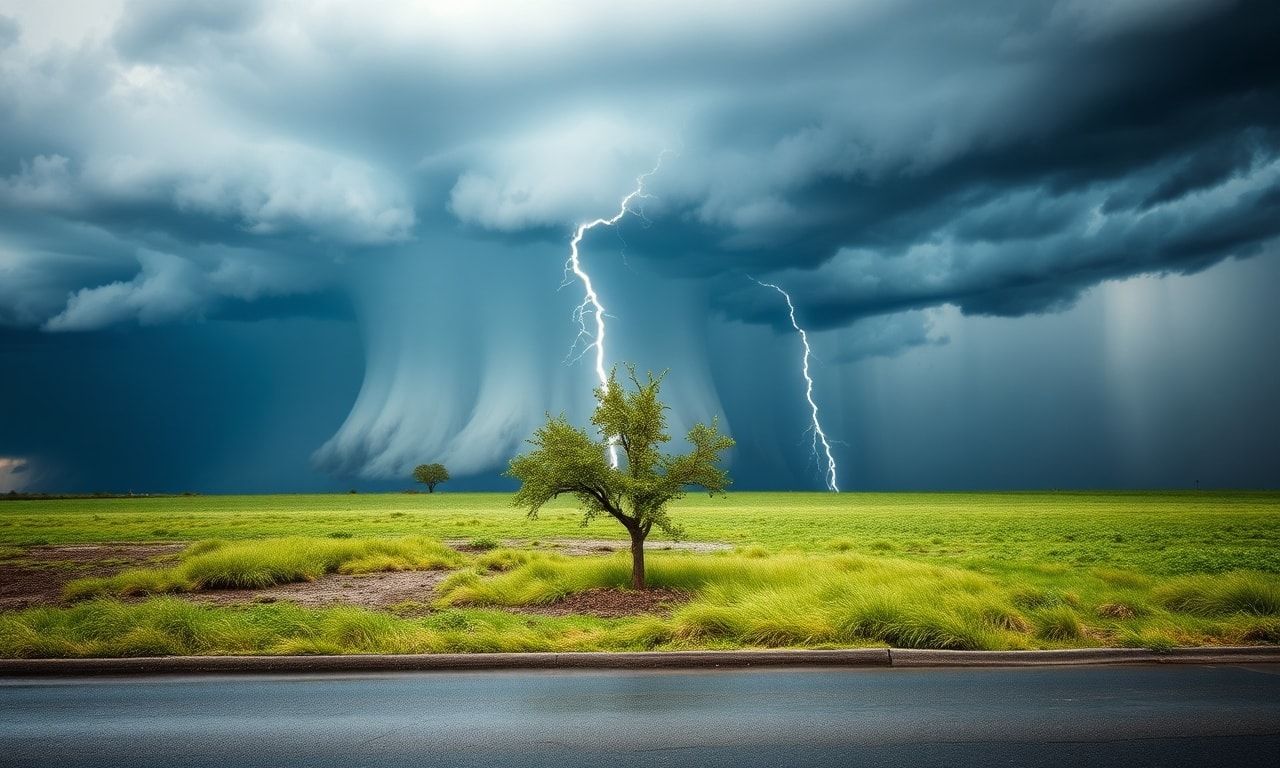
The Rising Frequency of Extreme Weather Events
In recent years, the world has witnessed an alarming increase in the frequency and intensity of extreme weather events. From devastating hurricanes to prolonged droughts, these events have caused significant damage to communities and ecosystems alike. Scientists attribute this rise to climate change, a phenomenon driven by human activities such as deforestation and the burning of fossil fuels. Understanding the underlying causes and effects of these events is crucial for developing effective mitigation and adaptation strategies.
The Role of Climate Change in Extreme Weather
Climate change exacerbates extreme weather events by altering the Earth’s atmospheric and oceanic conditions. Rising global temperatures lead to warmer ocean surfaces, which provide more energy for tropical storms and hurricanes. Additionally, increased evaporation rates contribute to heavier rainfall and more severe flooding. Droughts, on the other hand, are prolonged by changes in precipitation patterns and higher temperatures, which accelerate evaporation and reduce soil moisture. These changes highlight the complex interplay between climate change and extreme weather phenomena.
Interactive Weather Forecast Map
For those interested in tracking weather patterns and understanding the impact of climate change, resources like the interactive weather forecast map provide valuable insights. These tools allow users to monitor real-time weather conditions, predict future trends, and assess the potential impact of extreme weather events on their communities. By leveraging such technologies, individuals and organizations can better prepare for and respond to weather-related challenges.
Case Studies: Recent Extreme Weather Events
The past decade has seen several notable extreme weather events that have had profound impacts on communities worldwide. In 2017, Hurricane Harvey made landfall in Texas, causing catastrophic flooding and billions of dollars in damage. Similarly, the 2019-2020 Australian bushfires, fueled by record-breaking temperatures and drought conditions, destroyed vast areas of forest and displaced thousands of people. These events underscore the urgent need for comprehensive climate policies and robust disaster management strategies.
The Economic and Social Costs
The economic and social costs of extreme weather events are staggering. According to the National Oceanic and Atmospheric Administration (NOAA), the United States alone experienced 22 weather and climate disasters in 2020, each causing over $1 billion in damages. These events not only strain public resources but also disrupt livelihoods, displace communities, and exacerbate social inequalities. Addressing these challenges requires a multifaceted approach that includes investment in infrastructure, community resilience programs, and international cooperation.
Mitigation and Adaptation Strategies
To mitigate the impact of extreme weather events, it is essential to reduce greenhouse gas emissions and transition to renewable energy sources. Governments and organizations worldwide are implementing policies and initiatives aimed at curbing carbon emissions and promoting sustainable practices. Adaptation strategies, such as improving infrastructure, enhancing early warning systems, and developing climate-resilient crops, are equally important. By combining mitigation and adaptation efforts, societies can better withstand the challenges posed by extreme weather events.
Community Involvement and Education
Community involvement and education play a pivotal role in building resilience to extreme weather events. Local communities are often the first to experience the impacts of climate change and can provide valuable insights into effective adaptation strategies. Educational programs that raise awareness about climate change and extreme weather preparedness can empower individuals to take action and contribute to collective efforts. By fostering a culture of preparedness and sustainability, communities can better protect themselves and their environments.
Conclusion
The increasing frequency and intensity of extreme weather events are a clear indication of the urgent need for action on climate change. By understanding the underlying causes and effects of these events, societies can develop effective strategies to mitigate their impact and build resilience. Resources like the interactive weather forecast map provide valuable tools for tracking and predicting weather patterns, while community involvement and education are essential for fostering a culture of preparedness. Together, these efforts can help communities worldwide adapt to the challenges posed by extreme weather events and create a more sustainable future.
In the midst of today’s fast-paced world, discovering spirituality in daily life offers a unique perspective on balancing faith and contemporary living.
As students navigate the challenges of academic life, understanding the importance of wellness is crucial; explore balancing health and studies for a comprehensive look at holistic student wellness.
In the realm of current events and education, a new perspective is emerging as highlighted in pop culture’s educational impact.