Introduction
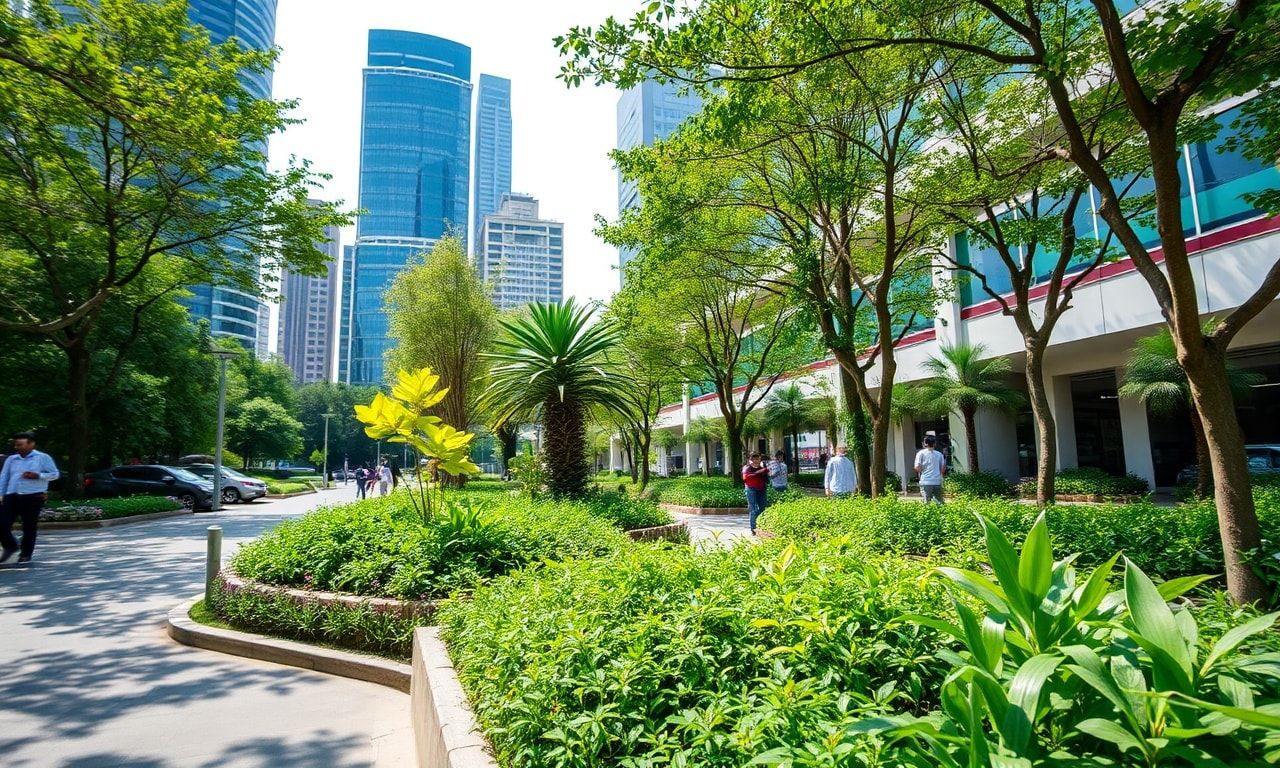
The world is witnessing a significant shift towards urbanization, with more people moving to cities in search of better opportunities. This rapid urban growth has led to a pressing need for sustainable urban planning, with a particular focus on creating and maintaining green spaces. Urban green spaces, such as parks, gardens, and recreational areas, play a crucial role in enhancing the quality of life in cities. They provide a respite from the concrete jungle, promote physical and mental well-being, and contribute to environmental sustainability.
The Importance of Urban Green Spaces
Urban green spaces are vital for numerous reasons. They act as lungs for cities, absorbing carbon dioxide and releasing oxygen, which helps mitigate the effects of climate change. Additionally, these spaces provide habitats for various species, promoting biodiversity in urban areas. For residents, green spaces offer a place to relax, exercise, and socialize, thereby improving overall well-being. Studies have shown that access to green spaces can reduce stress, lower blood pressure, and enhance mental health.
Health Benefits
The health benefits of urban green spaces are well-documented. Regular exposure to nature has been linked to improved immune function, better cardiovascular health, and increased life expectancy. Parks and recreational areas encourage physical activities such as walking, jogging, and cycling, which are essential for maintaining a healthy lifestyle. Moreover, green spaces provide a venue for community activities and sports, fostering a sense of community and social cohesion.
Environmental Benefits
From an environmental perspective, urban green spaces help regulate temperature, reduce air pollution, and manage stormwater runoff. Trees and vegetation in these areas absorb pollutants and produce oxygen, improving air quality. Green spaces also act as natural cooling systems, reducing the urban heat island effect, which is particularly important in densely populated cities. Furthermore, they help in groundwater recharge and prevent soil erosion, contributing to sustainable urban development.
Pakistan’s Initiatives in Urban Green Spaces
Pakistan, like many other countries, is recognizing the importance of urban green spaces and is taking steps to integrate them into city planning. The government and various non-governmental organizations are working towards creating more parks and recreational areas to cater to the growing urban population. One notable example is the development of numerous parks and recreational facilities in major cities like Lahore, Karachi, and Islamabad. These initiatives aim to provide residents with accessible and well-maintained green spaces for leisure and recreational activities.
For instance, the Pakistan parks recreation activities have gained popularity among locals and tourists alike. These parks offer a variety of amenities, including playgrounds, walking trails, sports facilities, and picnic areas, making them ideal for family outings and community gatherings. The government’s efforts to beautify and expand these parks have been well-received, with many residents appreciating the positive impact on their quality of life.
Challenges and Solutions
Despite the progress, Pakistan faces several challenges in maintaining and expanding urban green spaces. Rapid urbanization, limited funding, and lack of public awareness are some of the key obstacles. To address these issues, the government needs to prioritize urban planning and allocate sufficient resources for the development and maintenance of green spaces. Public-private partnerships can also play a significant role in funding and managing these projects. Additionally, raising awareness about the benefits of green spaces and encouraging community involvement can help ensure their sustainability.
Global Examples and Best Practices
Looking at global examples can provide valuable insights into best practices for developing and maintaining urban green spaces. Cities like Copenhagen, Singapore, and Vancouver have set benchmarks in sustainable urban planning, with extensive networks of parks, green belts, and urban forests. These cities have integrated green spaces into their urban fabric, making them accessible to all residents. Key strategies include:
- Green Belts: Creating green belts around cities to preserve natural habitats and provide recreational areas.
- Urban Forests: Planting trees and creating urban forests to enhance biodiversity and improve air quality.
- Community Gardens: Encouraging community involvement through the development of community gardens and urban farms.
- Green Roofs and Walls: Implementing green roofs and walls on buildings to reduce energy consumption and enhance aesthetics.
Conclusion
The importance of urban green spaces cannot be overstated. They are essential for the well-being of urban residents and the sustainability of cities. Pakistan’s initiatives in developing parks and recreational areas are a step in the right direction, but more needs to be done to overcome the challenges and ensure the long-term success of these projects. By learning from global best practices and fostering community involvement, Pakistan can create vibrant, sustainable, and livable cities for its growing urban population.
In the era of misinformation, staying well-informed is crucial; our guide to essential online resources can help you navigate current events with confidence.